Weekly Reflection #9: Managing Digital Footprint and Online Privacy
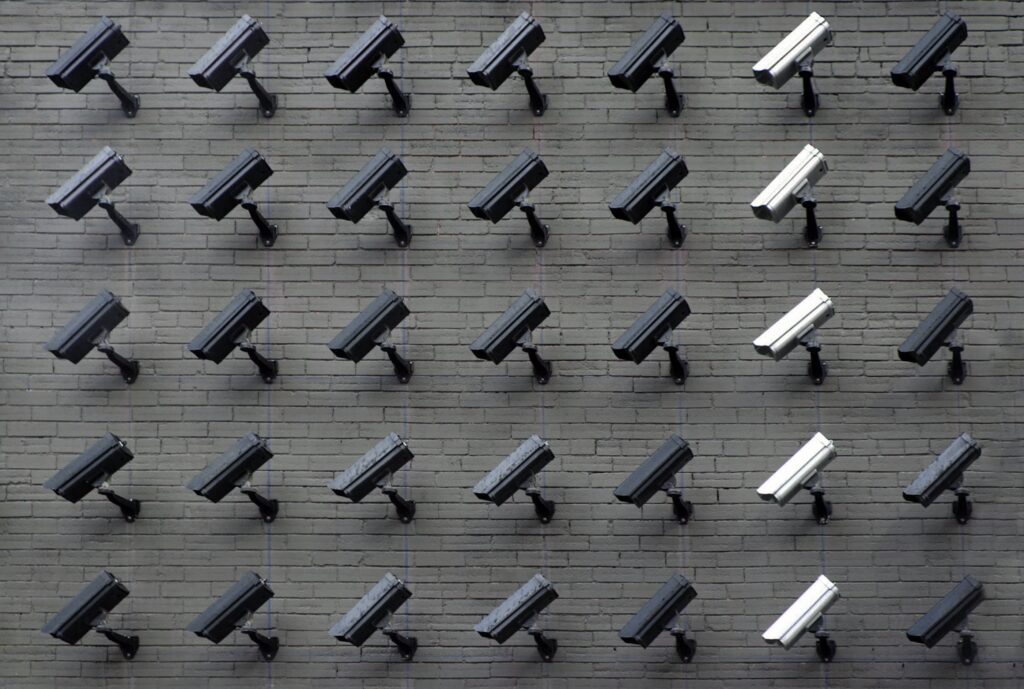
Photo credits: Lianhao Qu on Unsplash
We’ve all had that moment where you talk about something out loud with a friend or family member, and then 10 minutes later you suddenly see an ad for it on your phone. This can feel unsettling, almost like your device is listening in or your privacy has been violated. However, with how this works, I’ve learned is that the reality of the situation is both less creepy and more concerning at the same time. It’s not that our phones are constantly recording our conversations like I would have previously thought, it’s that they don’t need to.
Instead, the digital world runs on something called a “surveillance machine,” powered by tracking, profiling, and massive amounts of stored data. Apps and websites collect information about where we go, what we click, who we interact with, and even how long we pause on certain content. Over time, this builds a detailed picture of who we are. These pictures are often accurate enough to predict what we’re thinking about before we even search for it. That understanding definitely makes me want to reflect on my own habits.
Before learning about this, I never really questioned how much data I was giving away. Accepting cookies, downloading apps, and staying logged in all felt normal. Going forward, I think I will make some changes. First, I would be more mindful of app permissions. Turning off tracking and limiting what apps can access feels like a simple but meaningful step. It’s not about going completely off the grid, but rather it’s about having some control. Second, I would consider switching to more privacy-focused tools, like using browsers that block trackers by default. For example, Brave or Firefox that were referenced in this week’s materials. Since I have a Mac, I could use incognito mode more often.
Overall, this has changed how I think about my phone. It’s not just a tool that I use, it’s also a tool that learns from me and what I do. And while that can make life more convenient, it also means I need to be more aware of how much I’m giving away. In the end, I don’t think the goal is to completely disconnect from technology as that is an incredibly difficult or unrealistic thing to do. But being informed and making small, intentional choices can go a long way in protecting our digital lives. After learning more about the surveillance machine, I think I will change how I use my phone. Not drastically, but deliberately.